How to Cure Your New Cazuela
January 2004


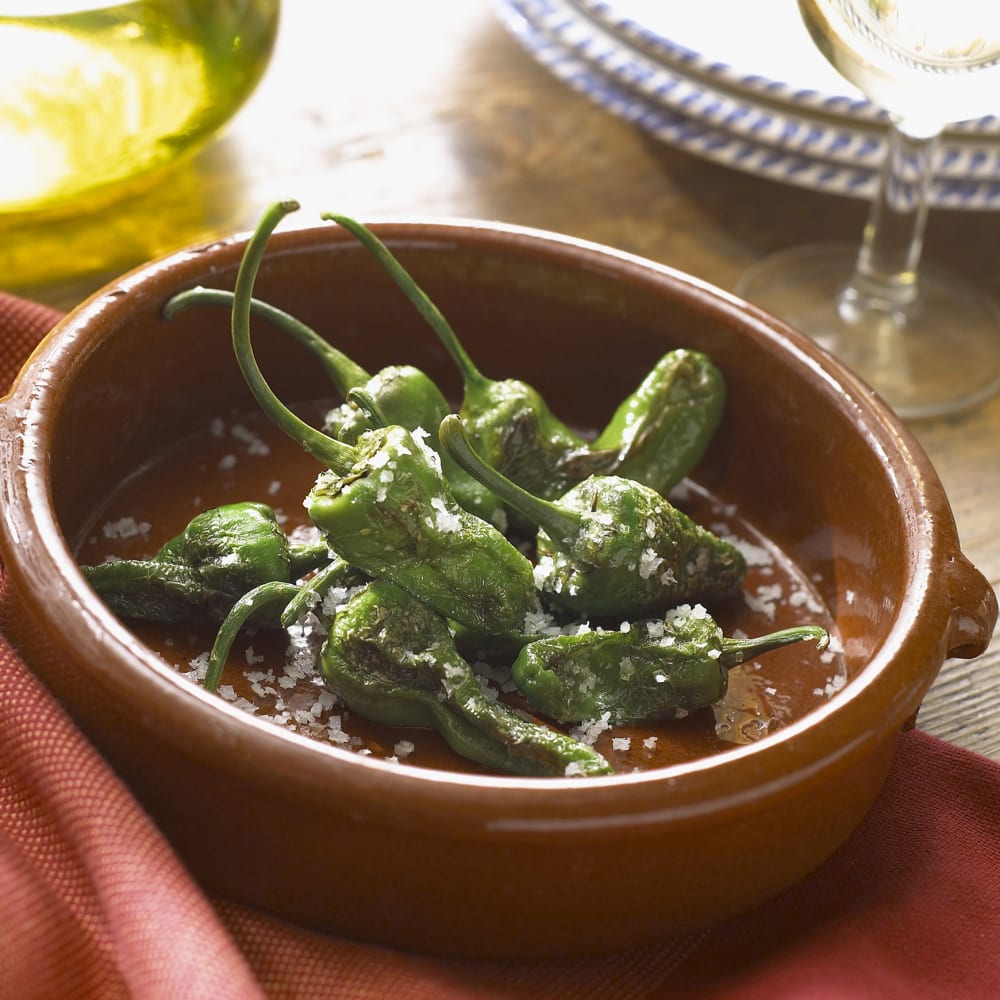
(Thanks to author Paula Wolfert for this information.)
Clay pots are fragile - they inevitably do break - but proper curing will harden them to the point that they can be used with a flame-tamer over direct heat.
Soak the entire dish in water to cover at least two hours or overnight. Drain and wipe dry. Rub the unglazed bottom with a cut clove of garlic (we are not sure how the garlic works, but why argue with tradition?) Fill the dish with water to 1/2 inch below the rim. Place the dish on a flame-tamer over low heat and slowly bring the water to a boil.
Let the liquid boil down until only a little remains. Do not allow all the water to evaporate as this may cause your cazuelas to crack. Cool slowly and wash. Your cazuela is ready for use in the oven or on the stovetop. Always heat and cool gradually when cooking. Rapid changes in temperature can cause breakage. Use a heat diffuser on gas stovetops.
This technique has been used since the Middle Ages. It seasons the pot, kills bacteria and hardens the unglazed parts.
To clean, soak in soapy water and scrub with a soft brush to remove any hardened food.
If you have not used the cazuela for an extended period of time, you may need to re-cure it before use.
Related Articles